
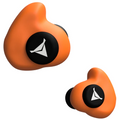
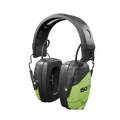
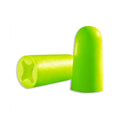
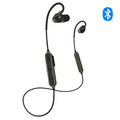






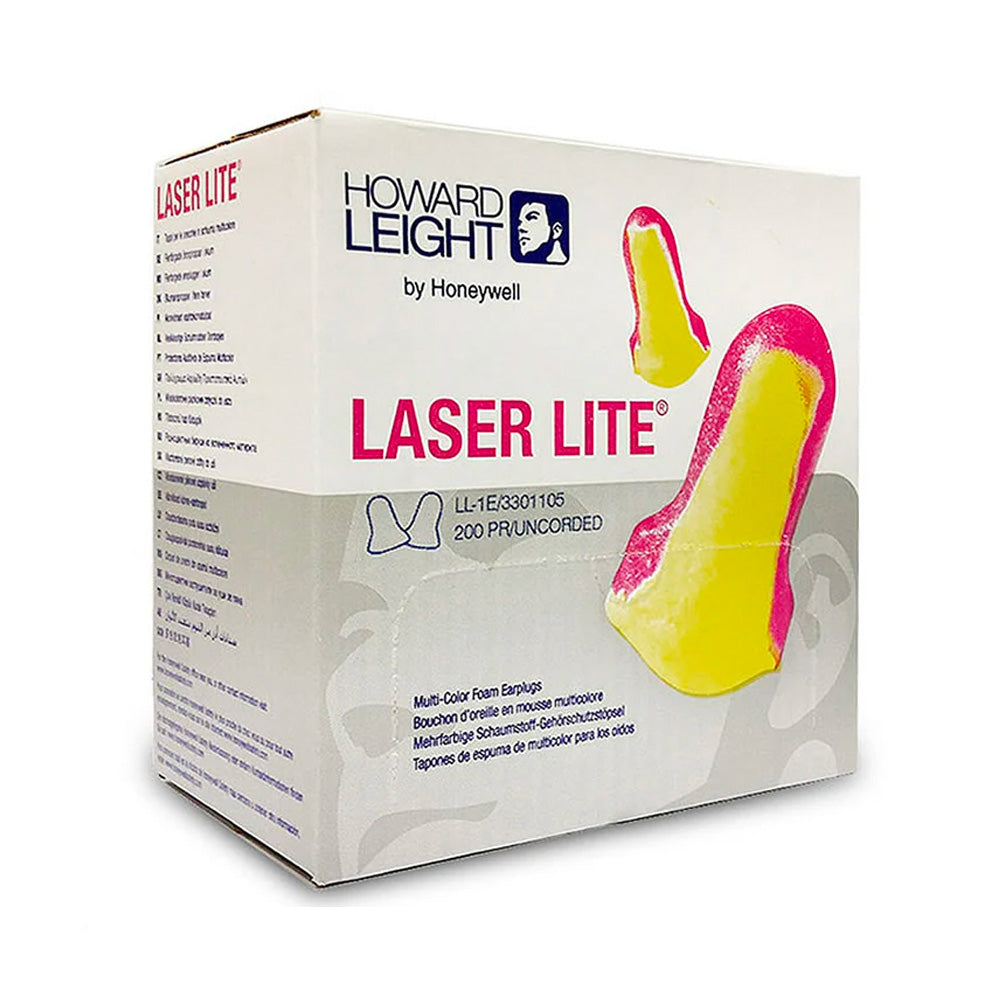
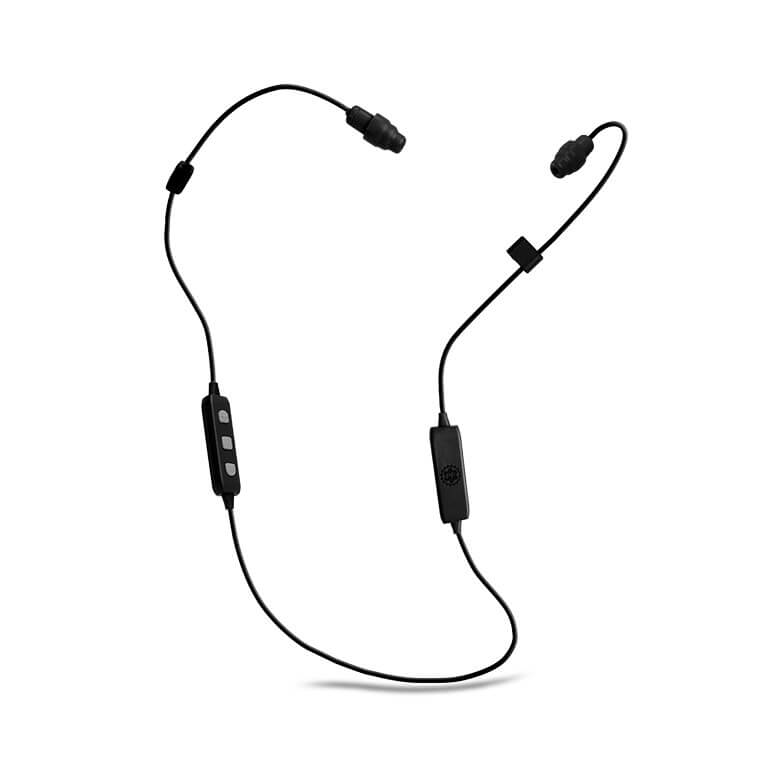
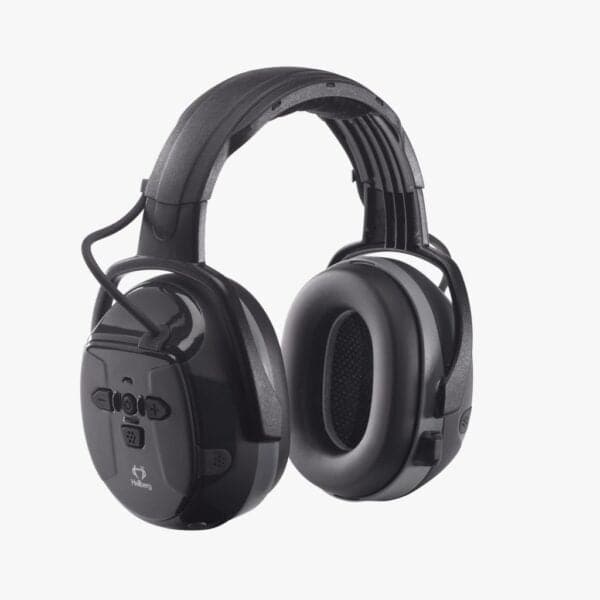
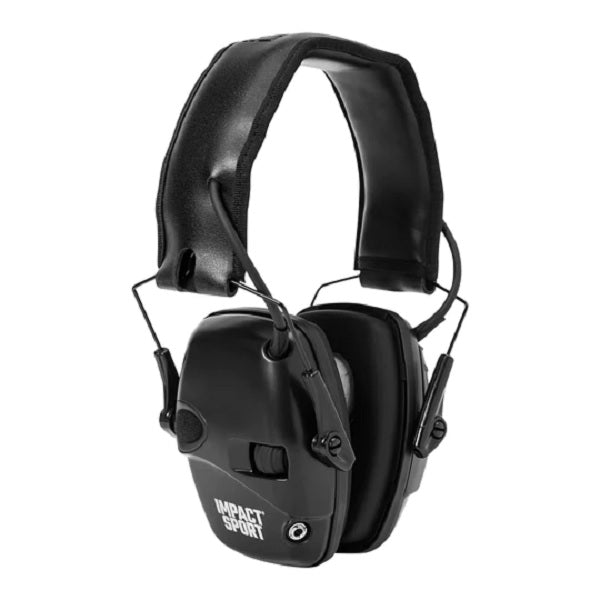


EARPLUGS WITH AUDIO
IMMERSIVE BASE
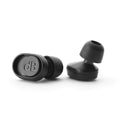
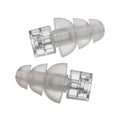
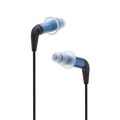
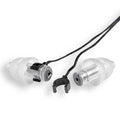
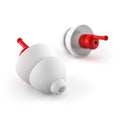
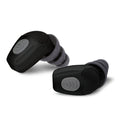
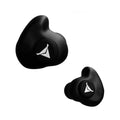
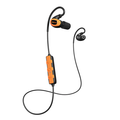
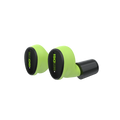
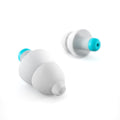
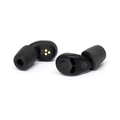
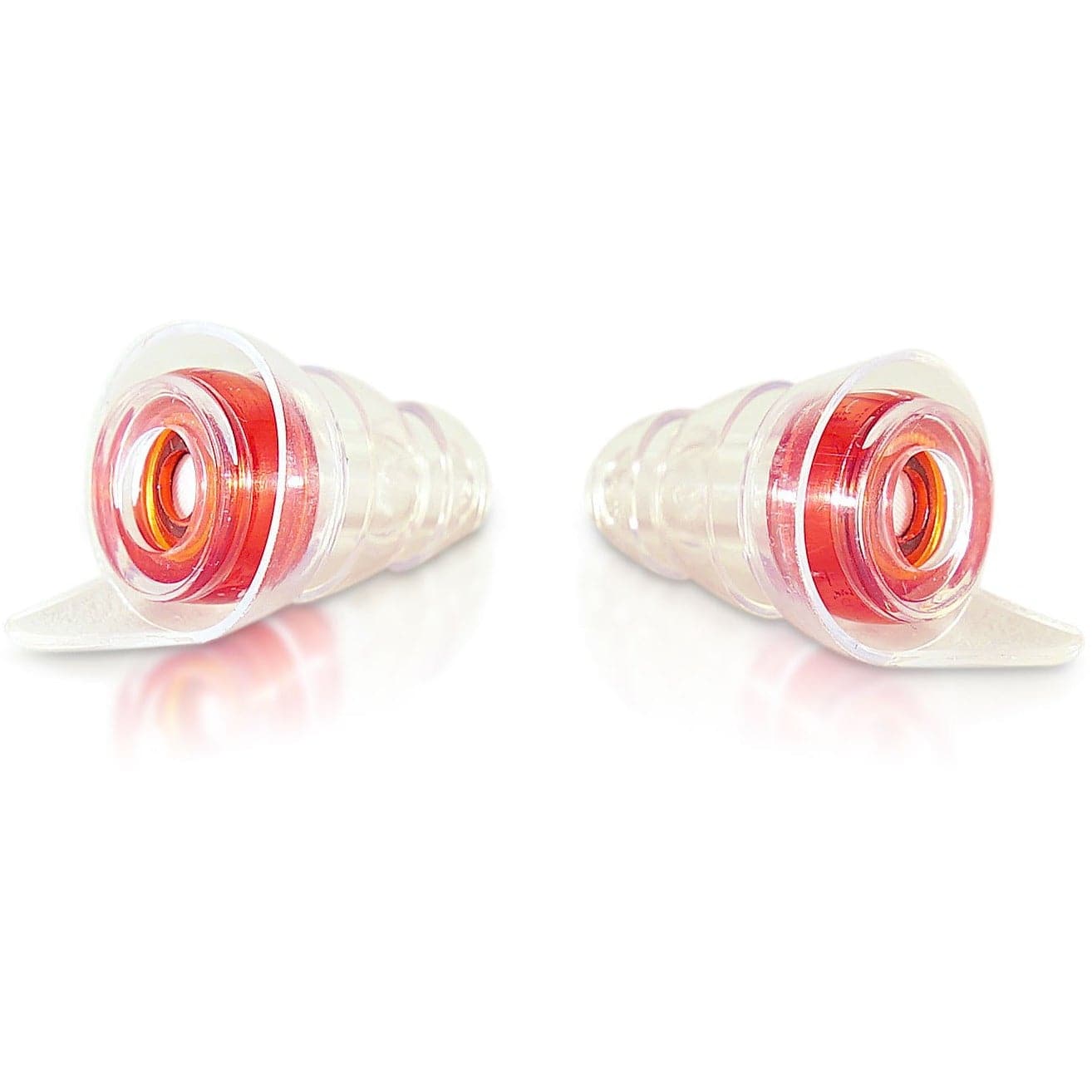
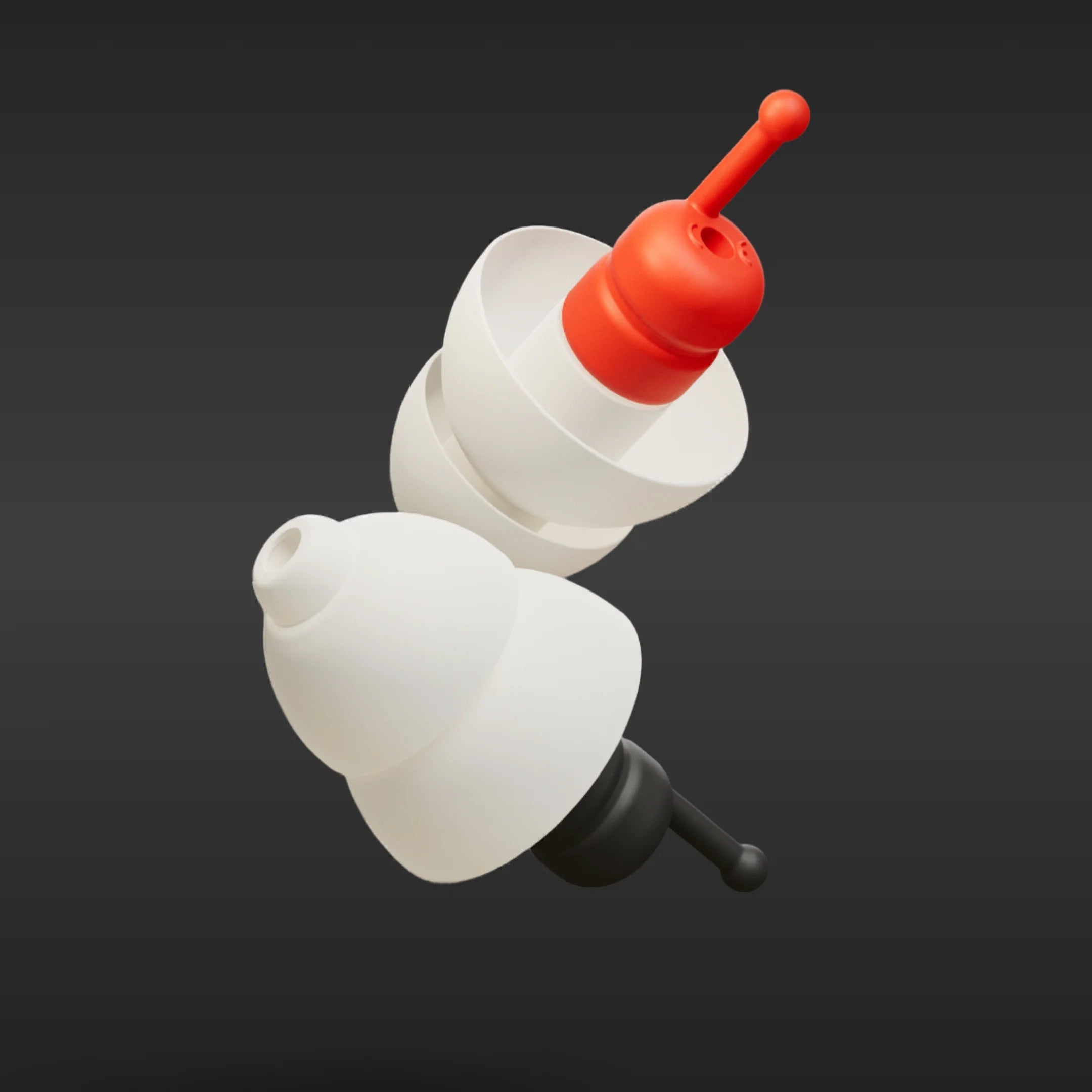
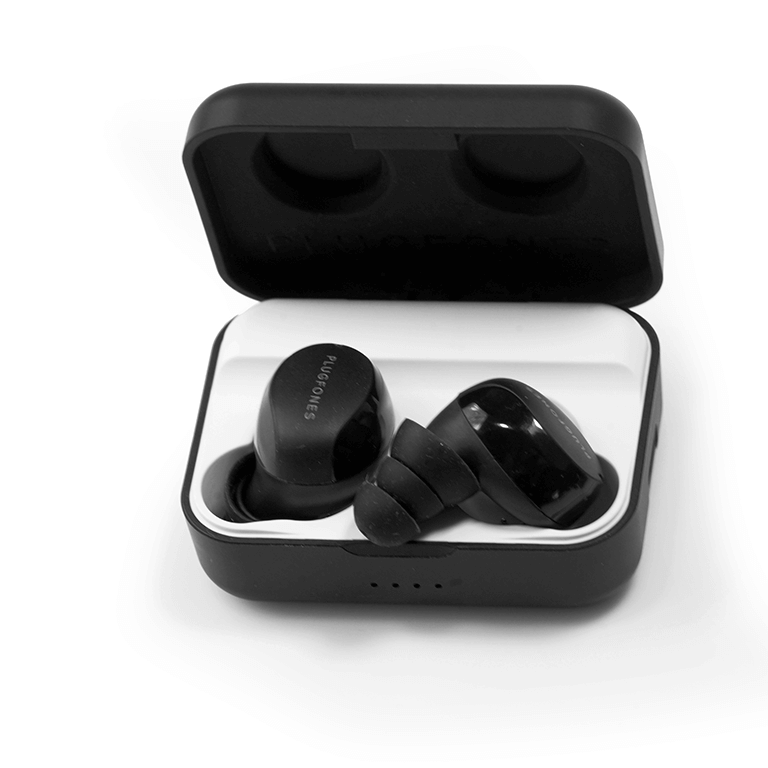
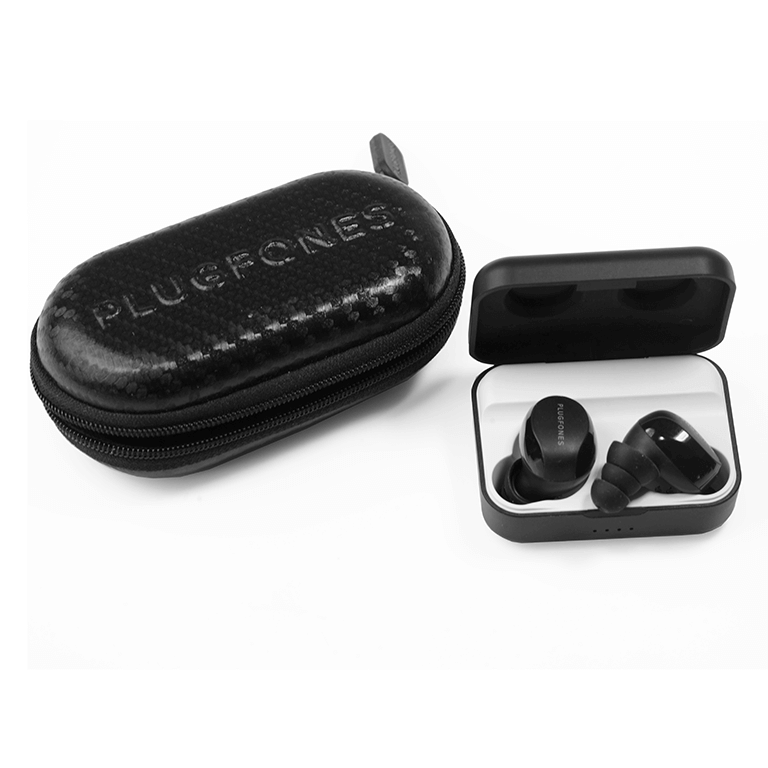
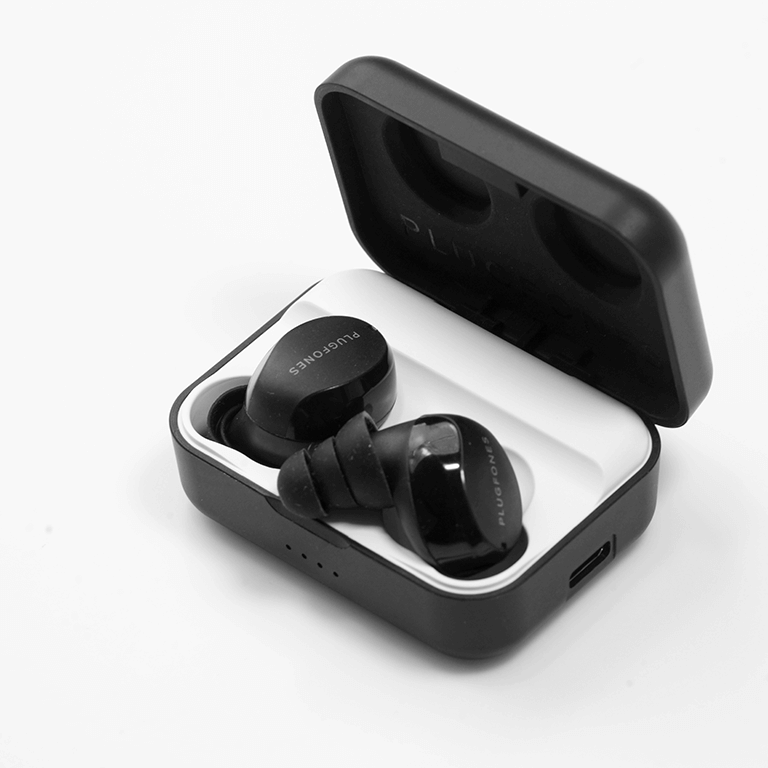
When the Sovereign sound waves are delivered directly into the ear drum dampening surrounding noise with it’s patented ComforTiered plugs, the listening experience is immersive and complete. No note is missed, every piece of the song rings true with clear treble and deep bass.
SOVEREIGN TECH THAT RULES
- Noise Shield: Sensor dampens machinery and exterior noise
- Stay In Place: Lightweight comfortable fit.
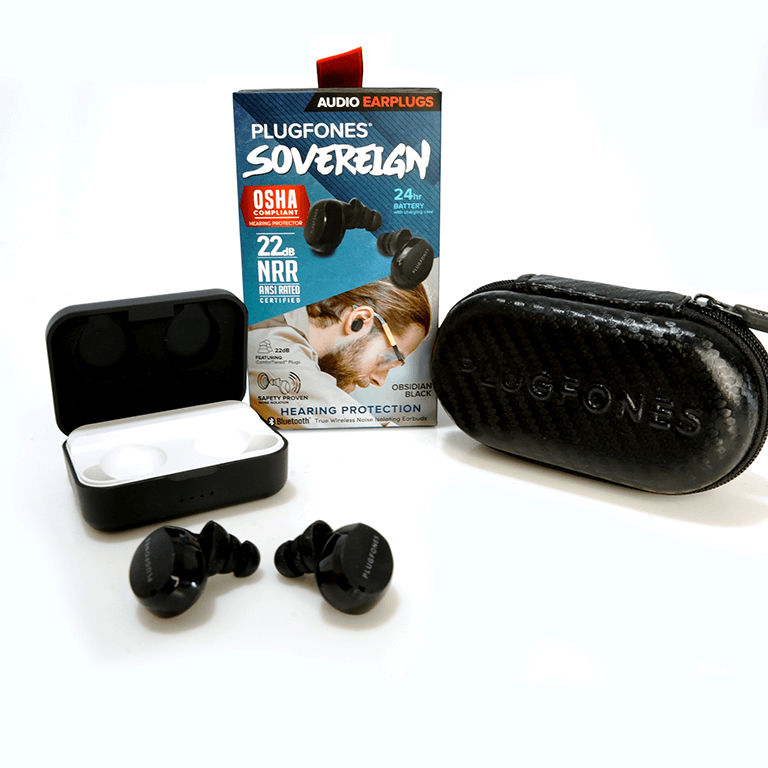
- Quick Charge: Mega Battery (Earbuds 10 hours + Case 30 hours = 40 hours)
- IPX Rated: Water resistant, sweatproof
- Sound Seal: Contours to the ear canal
- Adaptive Response: Works with gloves
- MIC: Sound focused mic
Please note, each style has a unique feature-set.
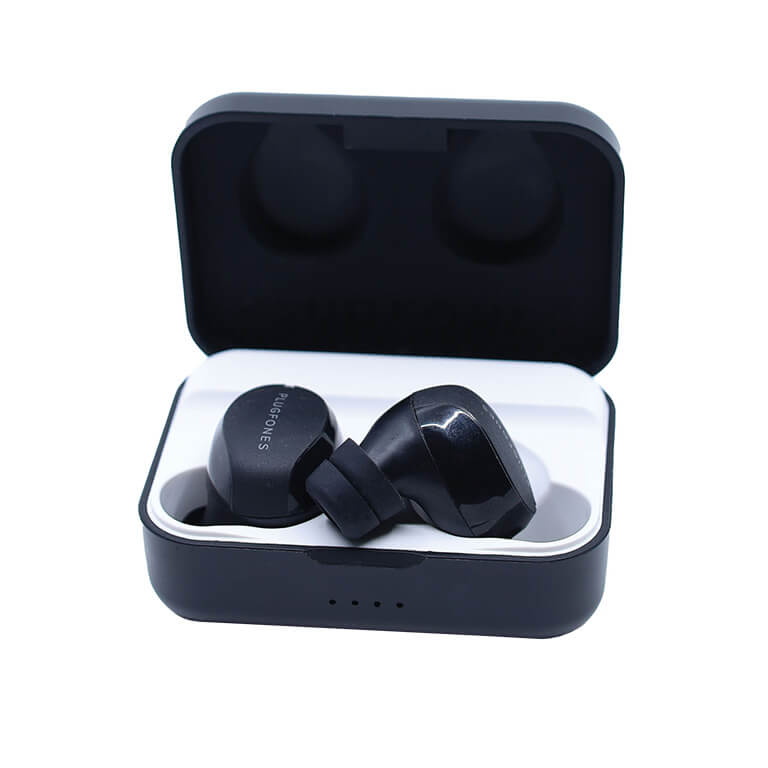
- Black: full-volume, mic
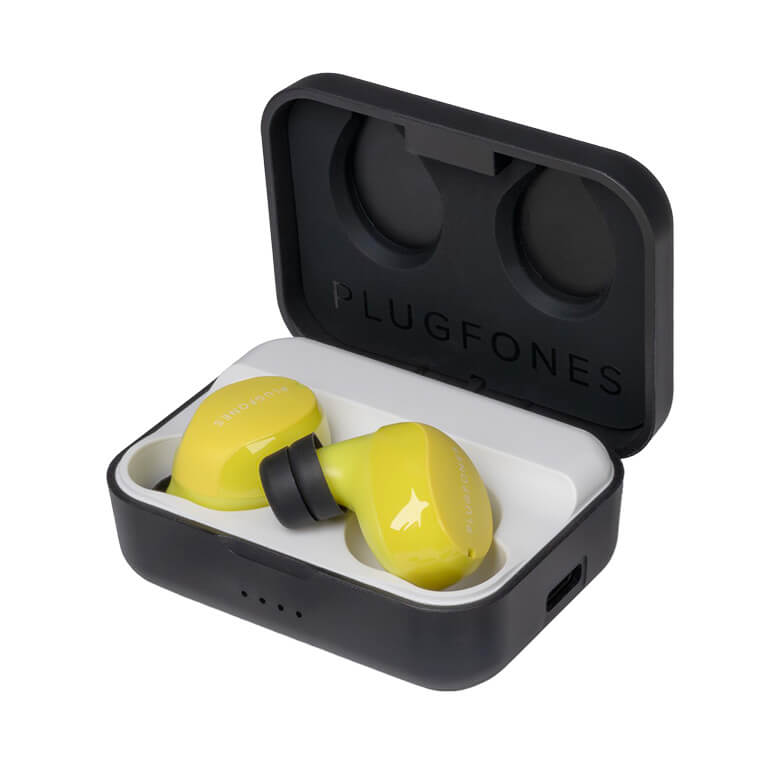
- Yellow: volume-limiting, mic
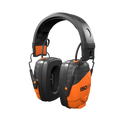
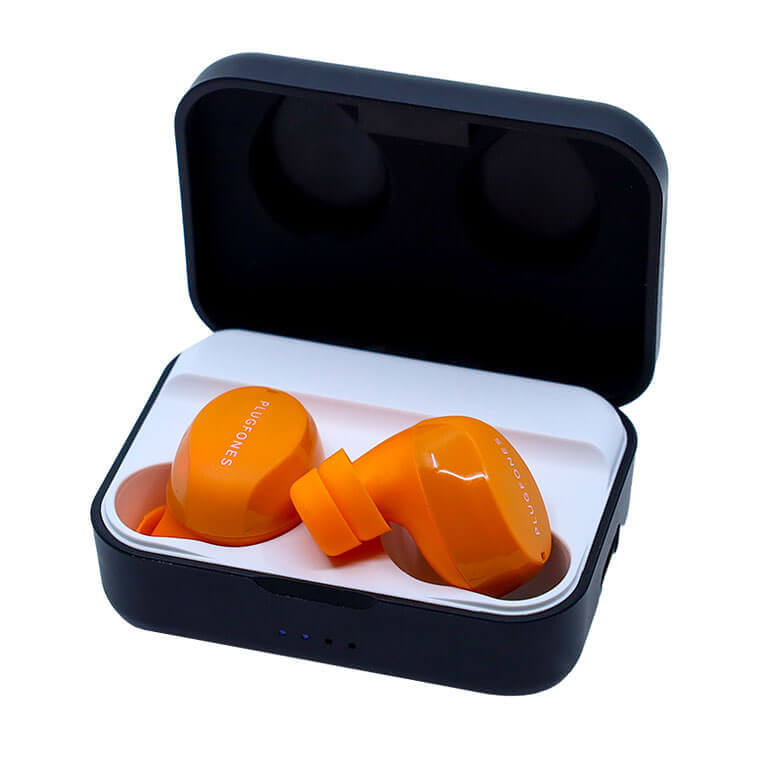
- Blaze Orange: volume limiting, no mic
Plugfones® Certified Noise Reduction Ratings
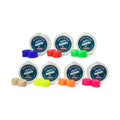
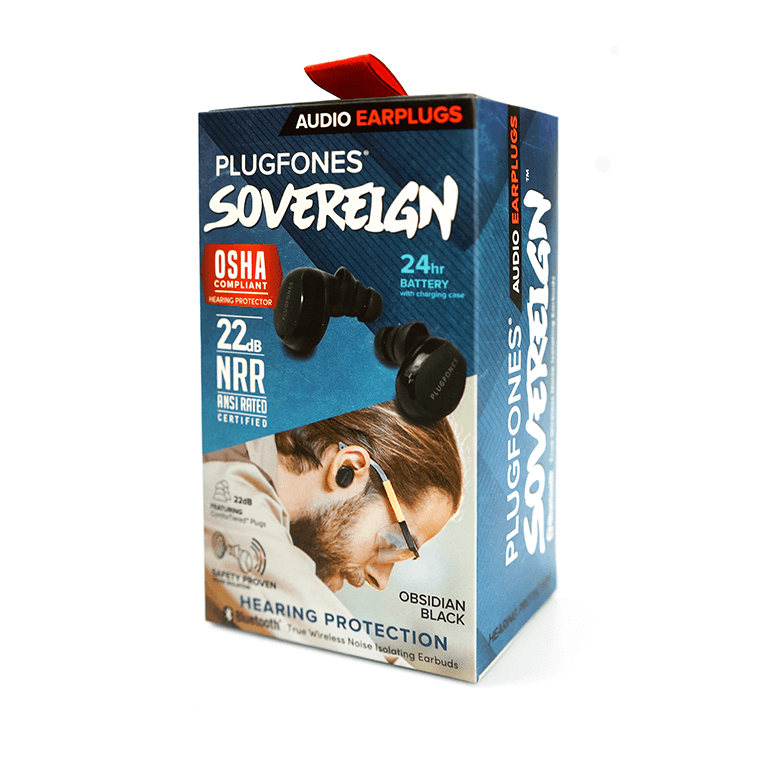
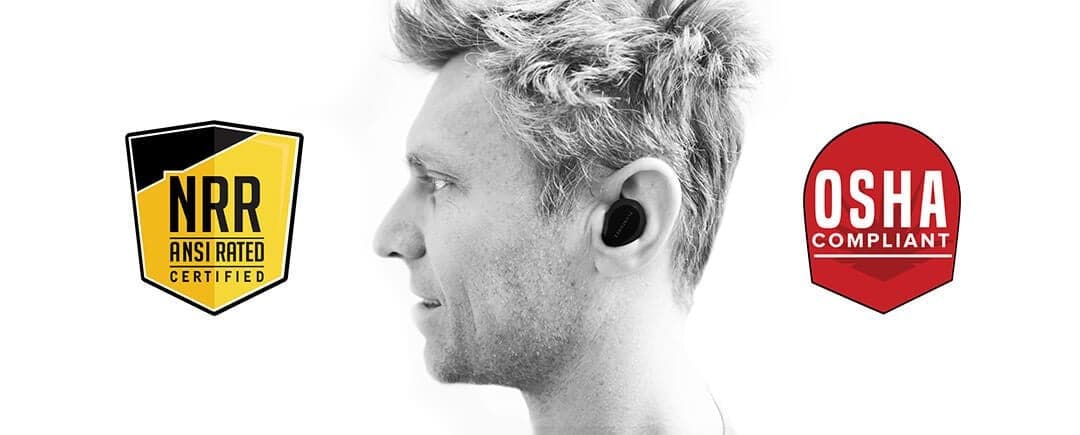
The most important thing to remember about Plugfones is that they're earplugs first and earbuds second. As such, the entire Plugfones line is tested and compliant with ANSI S3.19-1974 noise reduction standards and meets NIOSH criteria. When used as directed, our products are certified for Noise Reduction Ratings (NRR) of up to 29 dB, depending on the plugs used. For environments with high levels of noise, it may be necessary to use over ear protection such as earmuffs in conjunction with Plugfones products.
SLC80 23dB
This hearing protection product complies with the Australia/New Zealand standard and has been tested in accordance with AS/NZS 1270.
It has an SLC80 rating of 23 (which in rough terms means it blocks about 23dB of noise) and is a Class 5 hearing protector.
- Class 1: SLC80 10–13 - Suitable for <90 dB noise levels
- Class 2: SLC80 14–17 - Suitable for <90-95 dB noise levels
- Class 3: SLC80 18-21 - Suitable for <95-100 dB noise levels
- Class 4: SLC80 22-25 - Suitable for <100-105 dB noise levels
- Class 5: SLC80 ≥26 - Suitable for <105-110 dB noise levels
SLC80 Explained
Under AS/NZS 1270:2002, hearing protection is tested for its Sound Level Conversion (SLC80) rating, which indicates the difference between the environmental noise and the sound reaching the wearer’s ears. This rating helps determine the appropriate Class of hearing protection for specific noise levels.
Australian and New Zealand workplaces are obligated under AS/NZS 1269.3:2005 to:
- Conduct noise level surveys to assess exposure (measured as LAeq,8h).
- Provide suitable hearing protection for workers exposed to noise above 85 dB(A).
- Ensure hearing protection is maintained and properly fitted to achieve effective attenuation.
Employers must select hearing protection suitable for the measured noise levels, ensuring compliance with occupational noise management regulations.
SLC80 22dB
This hearing protection product complies with the Australia/New Zealand standard and has been tested in accordance with AS/NZS 1270.
It has an SLC80 rating of 22 (which in rough terms means it blocks about 22dB of noise) and is a Class 5 hearing protector.
- Class 1: SLC80 10–13 - Suitable for <90 dB noise levels
- Class 2: SLC80 14–17 - Suitable for <90-95 dB noise levels
- Class 3: SLC80 18-21 - Suitable for <95-100 dB noise levels
- Class 4: SLC80 22-25 - Suitable for <100-105 dB noise levels
- Class 5: SLC80 ≥26 - Suitable for <105-110 dB noise levels
SLC80 Explained
Under AS/NZS 1270:2002, hearing protection is tested for its Sound Level Conversion (SLC80) rating, which indicates the difference between the environmental noise and the sound reaching the wearer’s ears. This rating helps determine the appropriate Class of hearing protection for specific noise levels.
Australian and New Zealand workplaces are obligated under AS/NZS 1269.3:2005 to:
- Conduct noise level surveys to assess exposure (measured as LAeq,8h).
- Provide suitable hearing protection for workers exposed to noise above 85 dB(A).
- Ensure hearing protection is maintained and properly fitted to achieve effective attenuation.
Employers must select hearing protection suitable for the measured noise levels, ensuring compliance with occupational noise management regulations.
NRR 23
An NRR of 23 means that the hearing protection is estimated to reduce noise levels by an average of 23 decibels across various frequencies.
'NRR' in hearing protection stands for 'Noise Reduction Rating,' which is a single value used to indicate the average level of noise reduction a hearing protection device provides across different frequencies, essentially telling you how much sound attenuation the earplugs or earmuffs will offer when worn correctly; the higher the NRR value, the greater the noise reduction level is considered to be.
NRR is primarily used as a rating system in North America, while Europe often uses 'SNR' (Single Number Rating) and Australia/New Zealand use 'SLC80'; which both differ slightly in calculation.
NRR 26
An NRR of 26 means that the hearing protection is estimated to reduce noise levels by an average of 26 decibels across various frequencies.
'NRR' in hearing protection stands for 'Noise Reduction Rating,' which is a single value used to indicate the average level of noise reduction a hearing protection device provides across different frequencies, essentially telling you how much sound attenuation the earplugs or earmuffs will offer when worn correctly; the higher the NRR value, the greater the noise reduction level is considered to be.
NRR is primarily used as a rating system in North America, while Europe often uses 'SNR' (Single Number Rating) and Australia/New Zealand use 'SLC80'; which both differ slightly in calculation.